Showing posts with label eco-friendly RVing. Show all posts

Saturday

Be a Lean, Green, Eco RV Machine

One of the most popular ways families enjoy the outdoors is RVing. Up to 35 days are spent on average by RVers in RV parks and campgrounds across the country. Part of this is due to the comfort RVs provide to RV owners and their families.

Although RVing is a great and comfortable way to enjoy the outdoors, it can be very unfriendly to the environment. Motor vehicles - including RVs - are among the primary contributors to air, water and land pollution. From the toxic air pollutants released into the air from consuming fuel while driving, to the waste disposed after an RV trip, RV owners and their families sometimes don't realize how much their different activities while camping are actually harming the same outdoors that they love and enjoy.

The good news is that there are eco-friendly ways you and your family can go RVing that will help you to protect the environment and even save money. Below are 11 different tips on how you and your family can enjoy the outdoors during your next RV trip that are very easy to do.

1. Use Non-Disposable Items

Many RV owners and their families choose to use disposable items when they go RVing because they make cleaning up easier. However, they can hurt the environment, especially if they are not disposed properly. Choosing to use non-disposable items like cloth napkins and real plates is more earth-friendly. They also help you save money because you don't have to keep replenishing them each time you go RVing.


2. Recycling
If you do bring disposable items, make sure that you properly dispose of them so that they can be recycled. Recycling does take practice and discipline, but it is not impossible. The next time you go RVing, bring three boxes that you can use to sort your trash as you dispose of it. After your RV trip, you can dispose your trash at recycling drop-off points along the way in case there isn't any segregated trash bins within the park or campground you'll be staying at. You can also dump these at recycling trash bins in front of supermarkets or restaurants along the way, too. If you stay for extended periods at one campground, consider suggesting that the park initiate a recycling program. The operating cost is minimal and basically all is needed are a few bins: for plastics, glass, cans and possibly newspaper. The biggest challenge is getting someone to volunteer to drop off the full bins at respective recycling stations. At Hidden Valley RV Park, we find that RVers welcome the idea and take advantage of our bins by the laundry room.

3. Make Composts
Composts made from food scraps make excellent fertilizer. Instead of dumping food scraps into the garbage on your next RV trip, turn these into fertilizer by burying them in the soil within the RV park or campground where you're staying. A hole at least 12 inches deep will be enough for the bacteria within the soil to aid in the food scraps' decomposition without releasing any foul odor that comes with the decomposition process. This is not only an eco-friendly way to get rid of waste, but also help keep the plants within the park or campground healthy. Before doing this, make sure that you first get the permission of the owners of the RV Park or campground. Could avoid some embarrassment if they see you digging around your site. Certain food scraps are very beneficial to specific plants and landscapes. For example, cut up banana peels are better than any fertilizer for rose bushes. Birds love overly mature fruit and if you set it on your picnic table you'll have the added benefit of watching them gobble it down from your RV window.

4. Make your RV more Eco-Friendly


A few adjustments on your RV can make it more eco-friendly. One adjustment is by converting your RV so that it can run on alternative forms of fuel like used vegetable oil or biodiesel. It may initially be a bit expensive, but it is definitely worth it since you don't need to pay for fuel. Many restaurants will be willing to give you their used vegetable oil free of charge.

Another adjustment is by attaching solar panels on your RV.
Solar panels can power the different appliances inside your RV just as well as generators, allowing you to go RVing in parks and campgrounds that don't have any electric hookups. Since they don't emit fumes or make any noise, you don't have to worry about disturbing your neighbors, especially at night.

5. Regular RV Check-Up

Along with making adjustments to your RV so that it's more eco-friendly, it is important to make sure that you get your RV checked on a regular basis. In addition to minimizing problems and accidents during your RV trip, getting your RV checked on a regular basis will make sure that your RV remains fuel-efficient.

6. Opt for Alternate Ways to Get Around

Another eco-friendly tip when you go RVing is to use other means of getting around, whether inside the campground premises or to nearby attractions. Some large RV parks and campground offer free shuttle services to guests to bring them to different parts of the park or campground. Our San Antonio RV
Park has a shuttle that can arrange to pick you up for a bus tour including eight San Antonio attractions and drops you back at your RV site at the end of the day or half day tour. No gas, no maps needed, no parking fees or worry of finding a parking spot, free entrance into the Alamo, Missions, the Mexican Marketplace, the Buckhorn Hall of Horns Museum and a free 45 minute boat ride on the River Walk. What a deal! Alternatively, you can also invest in a bike to help you get around during your RV trip. Bikes are not just eco-friendly ways to get from point A to point B, but they are also a way to keep fit and healthy. Three miles from Hidden Valley, the Medina Natural area offers miles of walking and bike trails to get away to nature.

7. Switch to Enzyme-Based Cleaners and Deodorizers

When cleaning your RV before or after your trip, it is best to use enzyme-based cleaners and deodorizers instead of chemical-based ones. Chemical-based cleaners and deodorizers contain harmful chemicals like formaldehyde. These chemicals pollute the soil and water when it is drained away from your RV. On top of that, there have also been studies done that show that these chemicals can cause different kinds of cancers later on in your life.

8. Conserve Water and Other Utilities

Just because water or electric are included in the site fee doesn't mean that we should waste it. The more water we use, the more resources are needed by water sanitation plants to provide all of us clean water on a regular basis. So for example, when brushing your teeth don't leave the water running. Water and utility conservation can also keep RV site fees low. High usage of water also taxes septic systems and increases costs the RV parks pass on the RVers.

9. Use Eco-Friendly Materials in your RV

Every now and then, you will need to repair and replace certain parts inside your RV, like your flooring. When that time comes, make sure that you choose eco-friendly materials made from renewable materials. Examples of this include bamboo, organic cotton, hemp or wool. The same thing holds true to your furniture and fixtures. For instance, opt to get an eco-friendly mattress, which is biodegradable, instead of the conventional mattresses made of synthetic materials. If you're buying a new RV then buy a green RV. Look for the logo. If an RV is certified by a third party, such as TRA, you know that it has passed rigorous green standards.

10. Adjust your Thermostat

Adjust your thermostat one degree higher in the summer and one degree cooler in the winter. Each degree less will save about 10% on your energy use! In addition, invest in a programmable thermostat which allows you to regulate temperature based on the times you are at home or away.

11. Leave No Trace

Follow the Leave No Trace 7 Principles and leave your campsite looking better than it did when you arrived. Leave nothing behind, pickup trash that others may have left behind, and avoid tampering with anything that is in a natural state.

12. Travel Less and Stay Longer in One Place

Look for a campground that's within a 100 miles from home and plan to stay there for as long as possible to avoid moving from campground to campground.If you RV full time, consider seasonal stops instead of week or overnight stops. 

Of course, there are a lot more different ways on how you can go RVing the eco-friendly way. It's true that the effort of one RVer alone can barely make a difference, but if more RVers make their own contribution, it can only encourage others to also do the same and then these eco-friendly tips can definitely help the environment. 

Leave a comment if you have discovered other ways to "save the planet."


Teri Blaschke is the RV Park operator of family owned HiddenValley RV Park in San Antonio, TX and writer of the park blog “A Little Piece of Country in San Antonio.” Teri contributes to various other blogs with a focus on either travel or social media and how it relates to the outdoor hospitality industry but her passion is serving the RV travel community by providing a memorable RV camping experience and growing the Hidden Valley RV family.  Connect with , Facebook and Twitter@HiddenValleyRV

Sunday

30 ways to reduce our environmental impact while RVing

One of the great joys of going on an RV road trip is experiencing the sights, sounds and beauty of nature. Whether it is the simple pleasure of sitting around a campfire on a beautiful, starry night, or taking in grand landscape views of canyons, lakes, or oceans, these experiences serve as a constant reminder that it is very much in our interest to keep our natural surroundings beautiful.
We all have an impact on our environment. However, with a bit of forethought and planning we can minimize our impact with several little actions. To help get you started here’s a list of 30 little things you can do to make this world a better place for each and every one of us:
  1. Build eco friendly fires. Use local wood to avoid introducing foreign insects into a fragile ecosystem.
  2. Minimize campfire impacts - Try and use a lightweight camping stove for cooking as campfires cause damage to vegetation and create an excessive demand for firewood. Only create a fire where it is allowed and within fire pans, fire rings and mound fires.
  3. Be sure the fire is dead before you leave - Drench your fire with water to ensure it’s "stone cold dead".
  4. Leave No Trace - Leave your campsite looking better than it did when you arrived. Leave nothing behind, pickup trash that others may have left behind, and avoid tampering with anything that is in a natural state.
  5. Dispose of waste properly - Trash, leftover food and hygiene products should be packed out. Human waste should be disposed of in 6 to 8 inch deep catholes at least 200 feet away from lakes and streams. The same distance should be maintained when washing yourself or dishes.
  6. Use proper dump facilities for grey and black water - Dumping these at boondock sites attracts insects and vermin.
  7. Use non-toxic tank additives - Traditional waste water chemical treatments such as formaldehyde may actually be passed along to local water supplies or leach into soil from campground septic systems, so campers can keep things green by using bacterial additives rather than toxic chemicals to cut odors in waste tanks.
  8. Recycle as you travel - Keep your good recycling habits up while on your road trip! Separate garbage from recyclables while on board and take note of campground recycling categories to assure proper use of the campground's system.
  9. Avoid disposables - Use as few disposables as possible. Instead of using styrofoam for your plates and forks, go with the real thing. Also, use non-toxic cleaners.
  10. Dry laundry in the fresh air - Set up a campground clothesline or bumper-mounted clothesline instead of using the dry cycle on your RV washer/dryer or the campground facilities'.
  11. Turn the water off - When brushing your teeth don’t leave the water running.
  12. Respect wildlife - Observe wildlife from a distance. Never follow or feed wild animals and always store food and trash well away from their reach. This principle is for the protection of humans and animals alike. You don’t want to be eaten now do you?!
  13. Stick to established trails - Veering off of trails leads to erosion and is dangerous. Need we say more?
  14. Stick to designated campgrounds - There is a reason why certain areas of parks are sectioned off for camping and others are not. If you take it upon yourself to set up camp wherever you see fit you could compromise the local ecosystems that are being protected and put your safety and the safety of other campers at risk.
  15. Walk or ride a bike into town - If you’re staying in a campground that is close to a town centre walk or ride a bike into town, it will reduce your carbon output.
  16. Use cruise control as often as possible - cruise control saves fuel at highway speeds by reducing excess gas pedal activity.
  17. Drive 55 - Driving at 55 mph on the highway reduces petroleum consumption, lessens your carbon footprint, and increases safety on the road.
  18. If you have the choice, go with the smaller RV - Just as with cars, the larger an RV is the more fuel it will burn. If you don’t require the extra space of a larger RV go with the smaller, more fuel efficient model.
  19. Buy a Green RV - Look for the logo. If an RV is certified by a third party, such as TRA, you know that it has passed rigorous green standards.
  20. Minimize AC usage - use natural shade and awnings to keep cool instead. Fans also help to keep you cool inside.
  21. Use RV solar panels - Solar panels convert the sun’s energy into energy for your RV, and allow you the freedom to go to remote locations while still receiving power.
  22. Use RV wind generators - RV wind generators are one more way to convert nature’s energy.
  23. Offset your carbon footprint at CarbonFootprint.com or CarbonFund.org. These websites allow you to donate to a program that invests in reforestation, renewable energy, environmental cleanup etc.
  24. Buy local - Consider the amount of pollution created to get your food from the farm to your table. Whenever possible, buy from local farmers or farmers' markets, supporting a local economy and reducing the amount of greenhouse gas created when products are flown or trucked in.
  25. Adjust your thermostat - Adjust your thermostat one degree higher in the summer and one degree cooler in the winter. Each degree celsius less will save about 10% on your energy use! In addition, invest in a programmable thermostat which allows you to regulate temperature based on the times you are at home or away.
  26. Choose matches over lighters - Most lighters are made out of plastic and filled with butane fuel, both petroleum products. Since most lighters are considered "disposable," over 1.5 billion end up in landfills each year. When choosing matches, pick cardboard over wood. Wood matches come from trees, whereas most cardboard matches are made from recycled paper.
  27. Re-use brown paper bags - Re-use brown paper bags to line your trash can instead of plastic bags. Re-use bread bags and the bags you bring your produce back to the RV in.
  28. Travel less and stay longer in one place - Look for a campground that’s within a 100 miles from home and plan to stay there for as long as possible to avoid moving from campground to campground.
  29. Convert by example - Encourage your family, friends, and neighbors to save resources too.
  30. Teach children to respect nature and the environment - Take them on hikes or camping. Help them plant a tree or build a birdhouse. Teach them by example.
Whether you’re a camper, RVer, or both, preserving the natural habitat that you visit goes hand in hand with enjoying that special place. By taking small measures to protect nature you can ensure that natural beauty stays intact.
Copyright ©2010 Camping Road Trip, LLC

30 ways to reduce our environmental impact while RVing - CampingRoadTrip.com

Wednesday

Hidden Valley "Going Green"

Being a small, family run park, Hidden Valley has always striven to be conservation minded but with the advent of eco-friendly policies we've added a new slant and renewed zeal to our 'green' practices. We've also urged our campers to pitch in a help us "save the planet." Many of our guests have even made suggestions they've seen implemented in their travels to other parks.

Some of these suggestions are common sense and we've all used them for years but others are specific to us RV'ers.

Turn off lights during the day
Position your RV to maximize day-lighting
Install window films to reflect sunlight and heat
Take shorter showers
Turn the water off completely after you take a shower
When you get a car washing permit...wet you vehicle...soap it up...rinse it off.  Never leave the hose running on the ground.
Routinely inspect your outside water connections for drips (please report leaks to staff).
When brushing teeth, shaving or washing hands, turn the water on only as needed
Rather than watching TV, go for a walk on the creek or go birding
Use less paper products: plates,cups, etc.
Instead of cooking on an electric stove, cook over the campfire

Use less laundry soap.  Research proves the "recommended" amount is way more than needed.  Try homemade laundry soap and fabric softener, it's better for the environment.  Learn how here. 

If you use an electric stove, always cover your pots and pans
If you need to use an oven, avoid the heat of the day or use a microwave oven 
Turn off the patio lights when you retire for the night
Replace your incandescent lights with compact fluorescents or LEDs
Set the temperature of your refrigerator between 36-39° F.
Use our paper, plastic, aluminum and bottle recycling stations near your garbage receptacles

Use the common composting area  (Just getting started on this one) This keeps all your vegie scraps (and much more) out of the landfill and also works great as a garden and plant fertilizer.

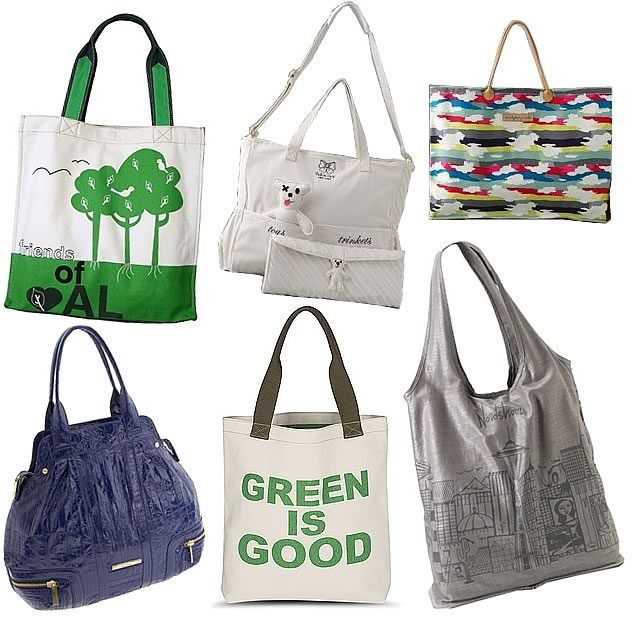
Use reusable shopping bags instead of disposables.  Those grocery store disposables are one of the biggest landfill and highway litter problems.

After using the laundry facility, turn off lights 

Make use of the pet clean up system.  Pet waste can spread diseases.

Re-Use plastic and glass containers when ever possible.

Let us know of any suggestions you may have for "RV traveling Green."

Related Posts Plugin for WordPress, Blogger...